Founding of the Center for Refugee Services
The story of the Center for Refugee Services began in 2008, when the San Antonio office of Communities In Schools (CIS), received a neighborhood action grant from Bank of America.
The grant was aimed at improving educational outcomes in an underserved area of northwest San Antonio where the number of newly resettled refugees was rising rapidly. In response, CIS launched a parent advocacy and education program to support refugee families unfamiliar with the American school system.
As part of this initiative, CIS assigned a clinical caseworker to work directly with refugee students on school campuses, helping them adjust to a new culture and educational environment.
These efforts led to the creation of the Parent Assistance Resource Center (PARC), where parents could meet regularly with the caseworker for guidance and support.
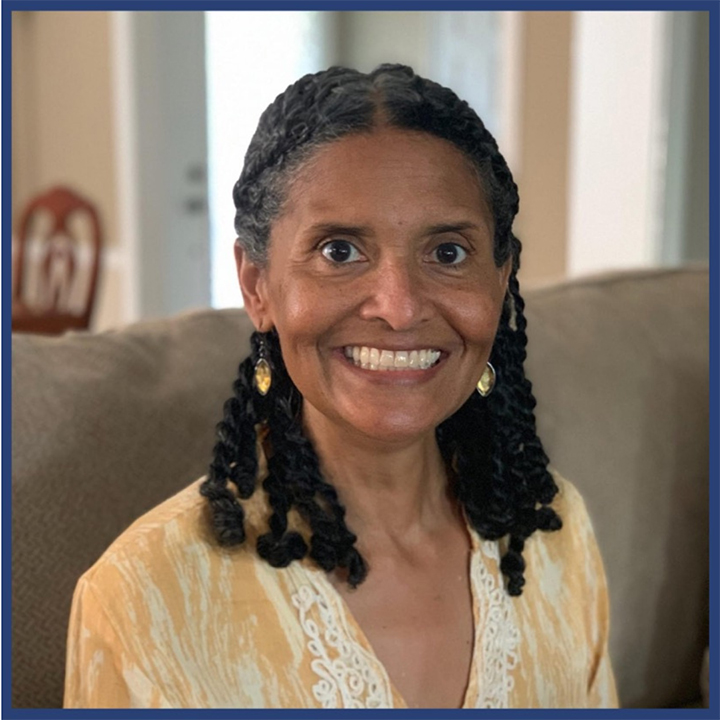
Dr. Ria Baker – Founder
Dr. Ria Baker, who had just completed her doctorate in Counselor Education and Supervision at the University of Texas at San Antonio, played a central role in the early efforts to assist refugee families. As a naturalized U.S. citizen, she understood firsthand the challenges of adapting to life in a new country.
Under her leadership, PARC gradually expanded its services to include English classes, tutoring, counseling, job readiness assistance, and donations of clothing and household goods.
Dr. Baker also cultivated a strong network of community partners, including churches, retired professionals, schools, and local service agencies, to better meet the growing needs of refugee families.
When the grant funding ended in August 2010, it was clear the work was far from finished. With the help of volunteers and college interns, Dr. Baker began the process of founding a new nonprofit organization dedicated to supporting refugees beyond their initial resettlement period.
This organization became the Center for Refugee Services – an enduring community resource committed to helping refugee families thrive in San Antonio.
Dr. Baker combined her academic knowledge with personal experience to address the complex needs of refugee families. As a Licensed Professional Counselor, she was deeply committed to mental health, education, and social support.
From humble beginnings in a small apartment office, CRS has grown into a vital institution supporting thousands of refugees each year. The late Dr. Baker’s leadership, compassion, and tireless advocacy laid the foundation for a legacy of community-based support, empowerment, and dignity for refugee families. Her life’s work continues to inspire all of us who serve at CRS today.
Nonprofit Status
CRS was officially granted 501(c)(3) nonprofit status by the IRS in September 2010. This designation has provided long-term stability, credibility, and access to critical funding opportunities.
This status has allowed us to build meaningful partnerships, apply for grants, and receive tax-deductible donations that sustain our mission year after year.
As an independent, grass-roots organization, CRS has attracted a dedicated team of staff and volunteers who form the backbone of our daily operations.
United by a shared purpose, we have created a welcoming “one-stop” center where refugees can access social services, educational support, and counseling in a culturally respectful and compassionate environment.
Location
From the beginning, CRS has remained rooted in the heart of San Antonio’s refugee community. Our first “office” was a modest two-bedroom apartment on Datapoint Drive, intentionally located within walking distance of several apartment complexes where newly arrived refugee families lived.
In our earliest years, CRS operated on a $20,000 annual contribution made possible by a generous grant from Oak Hills Church.
Although fundraising efforts were limited at the time, community enthusiasm and demand for our services made it clear that the nonprofit would endure.
More volunteers joined the CRS team, including volunteers from area churches, and word of our welcoming environment spread quickly.
In 2012, we expanded into a larger town home to better accommodate the growing number of clients. Just two years later, increased demand led us to raise additional funds to move into a commercial space at 8703 Wurzbach Road.
This new location was still within walking distance of several large apartment communities, allowing us to remain accessible to those we serve.
Today, CRS operates out of a professional office park at 8600 Wurzbach Road. Though our space and infrastructure have grown, we’ve never strayed from our original mission of being embedded in the community.
From a small group of 5-7 volunteers in 2010 we now enjoy strong working relationships with over dozens of volunteers and a small number of paid staff.
The Road to Self-sufficiency
The first few years are the most difficult in the journey toward self-sufficiency. Refugees strive to learn English, obtain employment, learn a new culture and establish homes. Therefore, assistance from many agencies, businesses and churches is necessary.
The goal is to help clients move toward self-sufficiency as soon as possible. While new arrivals receive limited monetary assistance from federal and state programs, including rent assistance, Food Stamps (SNAP) and Medicaid, these benefits are temporary and discontinue after a few months.
After 6 months or less under contract with a resettlement agency, refugees are expected to pay their own bills including, rent, utilities, transportation, etc. CRS recognizes that the long journey to community acclimation takes years, not months, especially for older refugees who do not speak English. Therefore, most of our clients have lived in the United States longer than 6 months but still need assistance and referrals in order to be successful.